
How to Sort Belongings After a Family Death

Last Updated: October 28, 2026
Quick Summary
To sort belongings after a family death, first secure documents, valuables, and keys, then confirm who has legal authority over the estate. Work one room at a time, sorting items into keep, donate, sell, discard, and decide-later piles. Dividing items fairly works best with agreed family rules and a turn-taking draft.
Secure wills, insurance papers, bank details, titles, and valuables in one labeled box first.
Confirm the executor or personal representative has authority before giving away or selling major items.
Clear one room at a time, starting with the smallest space, and save the garage, attic, and basement for last.
Set a limit such as one banker's box per family member for sentimental keep items.
Use a turn-taking draft to divide items several people want, and write down every agreement.
Table of Contents
Sorting through a loved one's belongings is one of the most emotionally draining tasks families face. This guide walks through how to sort belongings after a family death, one manageable step at a time.
You do not have to do it all at once. Work through the process in order: documents to secure first, legal questions, how long to wait, and how to divide items fairly.
Start With Documents, Valuables, and Items to Secure First
Before you touch a box of old photos, secure important papers and valuables to protect the estate and prevent loss.
Look for these items first:
Wills and trust documents
Insurance policies and life insurance paperwork
Bank statements, account numbers, and safe deposit box keys
Put these in one labeled box or folder in a secure place, such as a locked cabinet.
Watch out: Do not throw away old envelopes or loose papers too quickly. A forgotten tax notice or policy letter can hold important information.
Check Legal Authority, Wills, and Ownership Before You Sort
Before you give anything away or sell it, confirm who has the legal right to decide. Ownership depends on the will, state law, and how property was titled.
Start by asking these questions:
Is there a valid will? Where is the original?
Did the deceased name an executor or personal representative?
Was property held jointly, in a trust, or with a named beneficiary?
Usually the executor or personal representative has authority over the estate; without a will, state intestacy laws decide who inherits.
You can often remove perishable food or trash before the estate is settled, but hold off on selling or giving away major items until the legal questions are answered.
How Long to Wait Before Clearing a Deceased Person's Home
There is no single right answer. Some families clear a home within weeks; others need months. Move at your own pace.
Consider these factors:
Lease or mortgage deadlines. Rent and mortgage payments keep coming, so plan around them.
Estate timelines. Probate can take months, and some decisions wait until the estate is settled.
Family readiness. Forcing a quick cleanout can create conflict and regret.
Set a realistic target date, then build a schedule backward from it. This gives you structure without pressure.
Make an Estate Cleanout Checklist and Work Room by Room
A checklist turns an overwhelming job into small tasks, and working one room at a time keeps you focused.

Here is a simple checklist to adapt:
Secure documents, valuables, and keys
Remove food, medications, and hazardous items
Photograph valuable items and collectibles for records
Start with a small space, such as a bathroom, closet, or single drawer; finishing one area builds momentum. Save the garage, attic, and basement for last.
Sort Items Into Keep, Donate, Sell, and Discard Piles
Sorting works best with clear categories and handling each item once. Label four areas, keep, donate, sell, and discard, plus a fifth "decide later" box for anything that stalls you.
Keep: Items with sentimental value, family history, or everyday use
Donate: Clothing, furniture, and household goods in good condition
Sell: Antiques, collectibles, and items of real value
Work one drawer, shelf, or closet at a time. Pick up each item once, make a call, and place it in a pile. If you hesitate, it goes in "decide later."
A practical test for the keep pile
The keep pile is usually the hardest. Ask three questions in order:
Does it serve a real purpose in your home in the next year?
Does it carry a specific memory you can name out loud?
Would another family member value it more than you would?
If the answer to all three is no, the item belongs in donate, sell, or discard. Keep one or two representative items from a collection, a single teacup, one photo album, rather than the whole set. Photographing an item before letting it go keeps the memory without the storage burden.
Pro Tip Set a physical limit before you start, such as one banker's box per family member for sentimental items. A limit forces real choices and prevents the keep pile from swallowing the whole house.
Items that need special handling before they hit any pile
Some belongings should never go straight into donate or discard. Pull these out first:
Medications: Do not flush them or toss them in the trash. Use a drug take-back location or a mail-back envelope; many pharmacies and local law enforcement agencies host collection sites.
Hazardous materials: Paint, solvents, propane tanks, batteries, and pool chemicals need household hazardous waste disposal. Check your local solid waste authority for drop-off days.
Firearms: Follow state law and transfer rules; when in doubt, contact a licensed dealer or attorney before moving them.
Digital belongings belong in the sort too
A home clear-out almost always turns up devices, passwords, and photo libraries. Treat these as a separate category:
Accounts: Identify email, banking, social media, and subscription accounts. The executor or personal representative typically handles closing or memorializing them, and major platforms have published procedures for deceased users.
Photos and files: Copy family photos and documents to an external drive before devices are wiped or sold.
Passwords: Check for a password manager or written list; without it, account recovery can take months.
Donate, sell, or discard: matching the pile to the channel
Donate clothing, furniture, and household goods in good condition. Call ahead to confirm what a charity accepts; many will not take mattresses, large appliances, or items in poor repair.
Sell antiques, collectibles, tools, and vehicles. Get an appraisal before pricing anything of real value, and compare an estate sale company's commission against the effort of selling item by item.
Discard broken, expired, or unsafe items through the proper channel, bulk pickup, transfer station, or hazardous waste event, rather than leaving them at the curb.
Watch Out Do not sell or give away major items until you have confirmed who has legal authority over the estate. See the legal authority section above before the sell pile turns into a transaction.
Be honest about storage space. Keeping too much makes your own home feel heavy; sharing treasured items with family spreads the memories without the load.
Each pile calls for a different channel, and a few categories need special handling before they go anywhere:
Pile | Best for | Key step |
Keep | Sentimental value, family history, everyday use | Limit it, e.g. one box per family member |
Donate | Clothing, furniture, household goods in good condition | Call ahead to confirm what the charity accepts |
Sell | Antiques, collectibles, items of real value | Get an appraisal before pricing |
Discard | Broken, expired, or unsafe items | Use proper disposal, not the curb |
Decide later | Items that trigger strong emotion | Get a second opinion before deciding |
Medications | Any prescription or over-the-counter drugs | Use a drug take-back site, never the trash or toilet |
How to Divide Belongings After a Death Fairly as a Family
Disagreements over belongings are common, and they rarely come from greed, they come from grief, old family dynamics, and uncertainty about what is fair. A transparent process prevents most conflict.
Set the rules before anyone picks
Hold a short family meeting, in person or by video, before the first item is claimed. Agree on these ground rules in writing:
Who is eligible to claim items. Usually heirs and immediate family; decide whether in-laws, grandchildren, and close friends are included.
What is off-limits. Items specifically left to someone in the will, and items another person has already claimed in writing.
How ties are broken. A rotation, a lottery, or a neutral third party.
A deadline. Set a date by which all claims must be submitted, and a date by which claimed items must be picked up.
What happens to unclaimed items. Donate, sell, or discard, decided in advance so no one is blamed later.
Write the rules down and share them with everyone; a shared document keeps the record straight.
Build a shared inventory first
Before dividing anything, photograph and list the significant items, furniture, art, jewelry, tools, collections, and anything with family history. A shared spreadsheet lets everyone see the same list and submit claims without repeated walk-throughs.
For each item, record:
A photo and short description
Location in the home
Estimated value, if any
An appraiser can value disputed items. For most household goods a documented estimate is enough; for jewelry, art, and collectibles, a professional appraisal is worth the cost.
Use a turn-taking draft for overlapping claims
When more than one person wants the same item, a draft is the fairest mechanism:
List every item with more than one claimant.
Draw names or agree on an order, youngest to oldest, or a random draw.
Take turns choosing one item at a time until the list is exhausted.
Record each pick in the shared inventory as it happens.
A draft feels formal, but that is the point: it replaces negotiation with a rule everyone agreed to. For items of very different value, group them into lots of roughly equal value.
When talks stall, bring in a neutral party
If a disagreement will not resolve, escalate in steps rather than letting it harden:
A trusted family friend who is not a claimant can moderate a conversation.
A mediator, many communities have low-cost mediation services, and some estate attorneys offer mediation as part of their practice.
The executor or personal representative can make a binding decision on estate property, guided by the will and state law.
Key Takeaway A fair process matters as much as the outcome. Name the rules before you start, write down every agreement, and stick to the deadlines you set. Families that document the process argue less about the result.
Watch out: Avoid making decisions about valuable items alone. Confirm values with an appraiser before dividing or selling anything of worth, and keep a written record of who received what.
Deciding What to Do With a Deceased Person's Belongings
Once you have sorted, plan for each pile. The right choice depends on the item's value, condition, and your family's needs.
Keep items in labeled boxes or display them in your home.
Donate items to local charities, shelters, or thrift stores. Call ahead to confirm what they accept.
Sell valuable items through an auction house, estate sale company, or online marketplace. Get an appraisal first.
Estate sale companies handle pricing and sales for a fee, which helps when a home holds a large volume of furniture and household goods. Compare a few options and ask about fees before signing.
Booking Your Trailer and Hauling Plan for the Cleanout
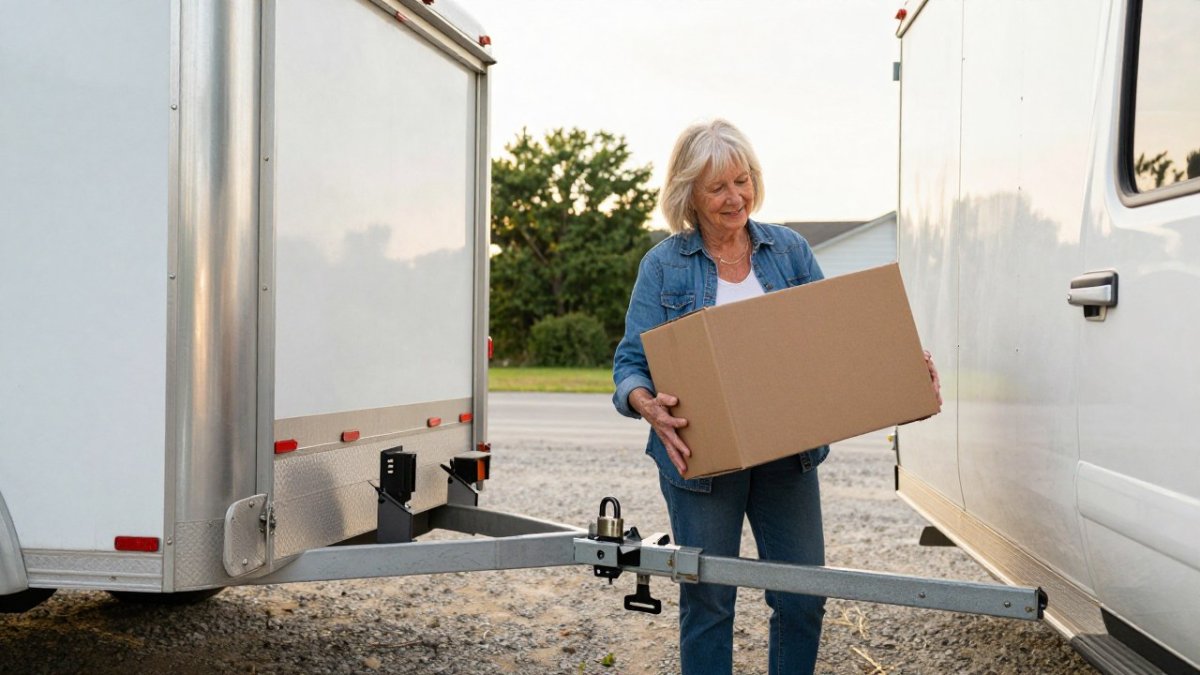
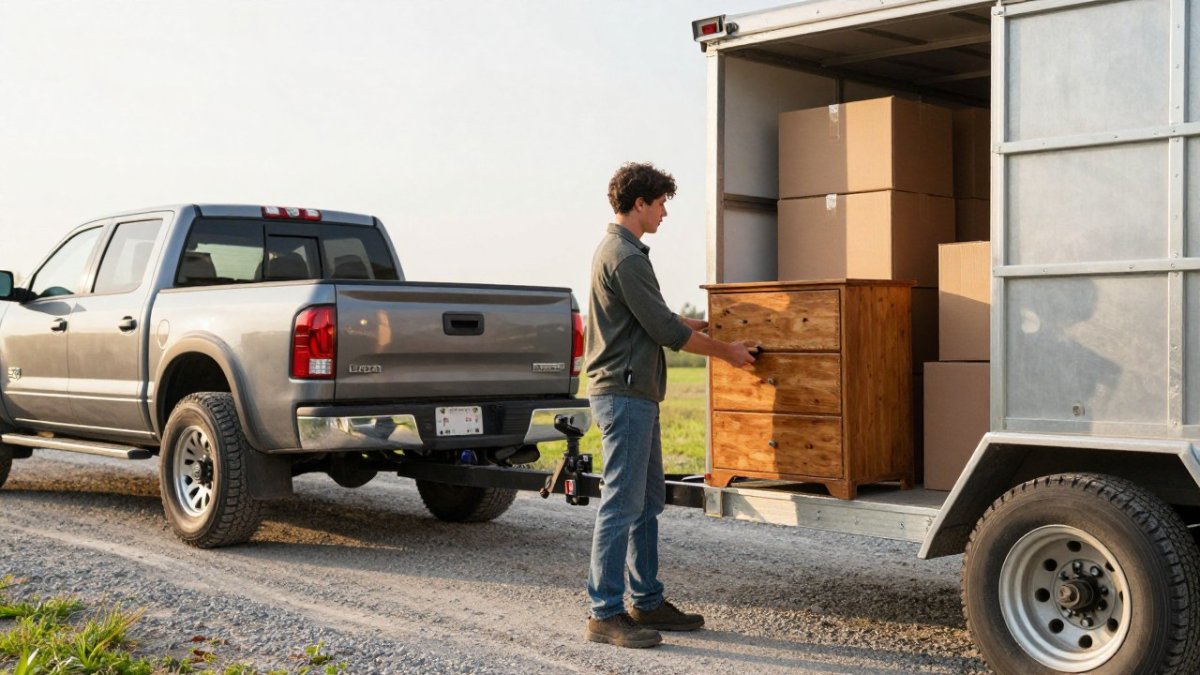
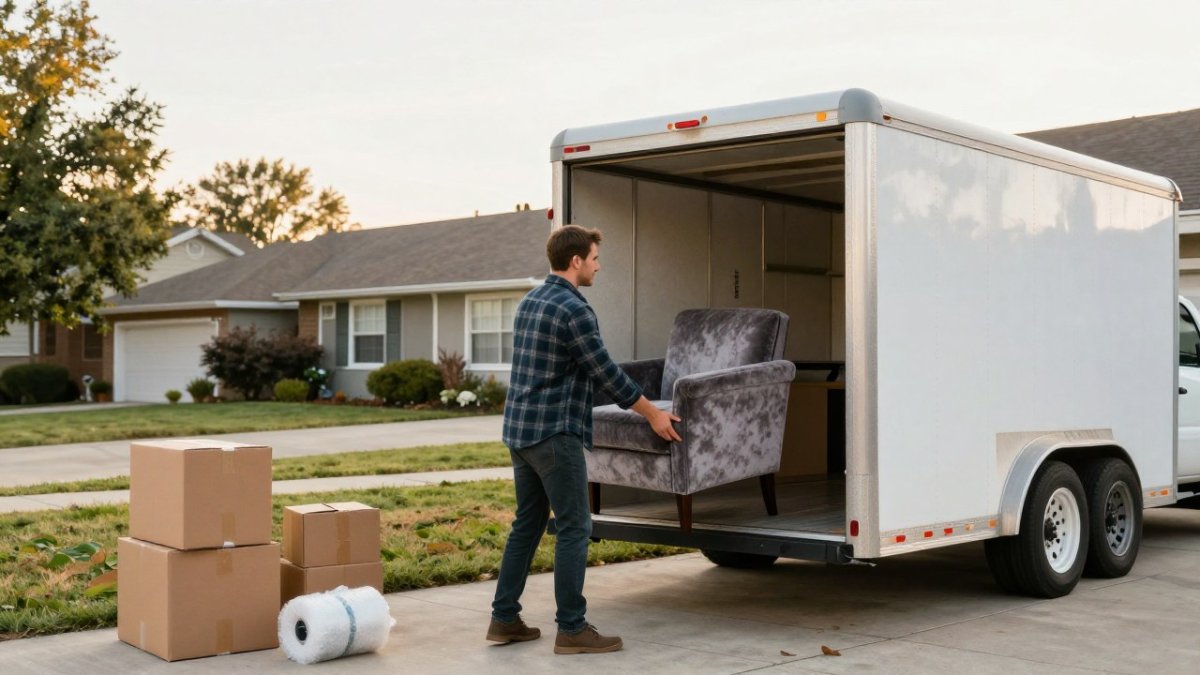
Large cleanouts often need a trailer. Plan the hauling before you start, so you are not stuck with a full room and no way to move it.
Think through these questions:
How many trips will it take to haul everything?
Do you need an open trailer for furniture and debris, or a covered one to protect sorted belongings from weather?
Can you tow and load the trailer yourself, or do you need delivery and pickup help? If not, delivery and pickup for the covered trailer takes that work off your hands.
At Legacy Lift, we offer open and covered utility trailers, with optional delivery and setup assistance.
For a deeper look at downsizing a senior home, read our guide on how to downsize your senior home. For planning your trailer rental, see our reliable trailer rental guide for estate cleanouts.
Sorting belongings after a family death is a process, not a race. If the room-by-room work feels too much, professional estate cleanout services explains what a crew can take on.
Frequently Asked Questions
How soon should you sort through a loved one's belongings after they die?
There is no required timeline for most families, and rushing usually creates regret. Many people wait until the funeral is over, the immediate paperwork is started, and they have had a few weeks to grieve before opening drawers. If the home must be vacated quickly because of a lease, a sale, or an assisted living move, start with documents and valuables, then take breaks between sessions. Check with the estate's attorney or executor about any deadlines that apply to the property.
What should you do first when sorting a deceased family member's belongings?
Begin with the items that carry legal and financial weight: wills, deeds, insurance policies, bank statements, tax records, and identification. Secure jewelry, cash, firearms, medications, and anything else valuable or sensitive before anyone starts sorting furniture. Photograph rooms before you move things so you have a record. Then set up a basic inventory so the rest of the process has a clear starting point.
How do you decide what to keep, donate, sell, or discard?
Sort with four piles and give each item a single decision. Keep items that are meaningful, useful, or needed by a family member. Donate working household goods and clothing in good condition to local charities. Sell higher-value items such as antiques, tools, or collectibles, and check with an appraiser if you are unsure of value. Discard broken, unsafe, or unsanitary items, and follow local rules for hazardous materials such as batteries, paint, and old medications.
Comments